
Editorial Team · on 17 June 2026 · 9 min read · Last reviewed 17 June 2026
Lesson planning templates for secondary school teachers are structured frameworks designed to help educators organize and deliver effective instruction to adolescents.
Think of them as the blueprint for a house: just as no builder would construct a home without a plan, no teacher should lead a lesson without a clear structure.
Key facts
- Secondary school teachers in Brazil often use lesson planning templates to align with the Base Nacional Comum Curricular (BNCC).
- The Lamego Educational Community offers a range of free and paid templates tailored to Portuguese curricula.
- Effective templates typically include sections for objectives, materials, activities, and assessments.
- Templates can be digital or printable, with platforms like Google Docs and Canva being popular choices.
01Why use lesson planning templates for secondary school teachers?
Templates save time by providing a pre-structured format, ensuring that essential components of a lesson are not overlooked. They also promote consistency in teaching practices, which is crucial for student learning outcomes. For example, a history teacher might use a template that includes a warm-up activity, a main lesson, and a reflection segment, ensuring a balanced approach to each topic.
The Lamego Educational Community’s templates are designed with the unique needs of Brazilian secondary educators in mind. They incorporate the latest pedagogical research and align with national educational standards, making them an invaluable resource. For instance, their science templates include sections for hands-on experiments, which are particularly effective for engaging students in subjects like biology and chemistry.
Using templates also facilitates collaboration among teachers. When a team of educators uses the same template, it becomes easier to share lessons and strategies, fostering a collaborative teaching environment. This is especially useful in large schools where subject specialists may need to coordinate their efforts to ensure a cohesive curriculum.
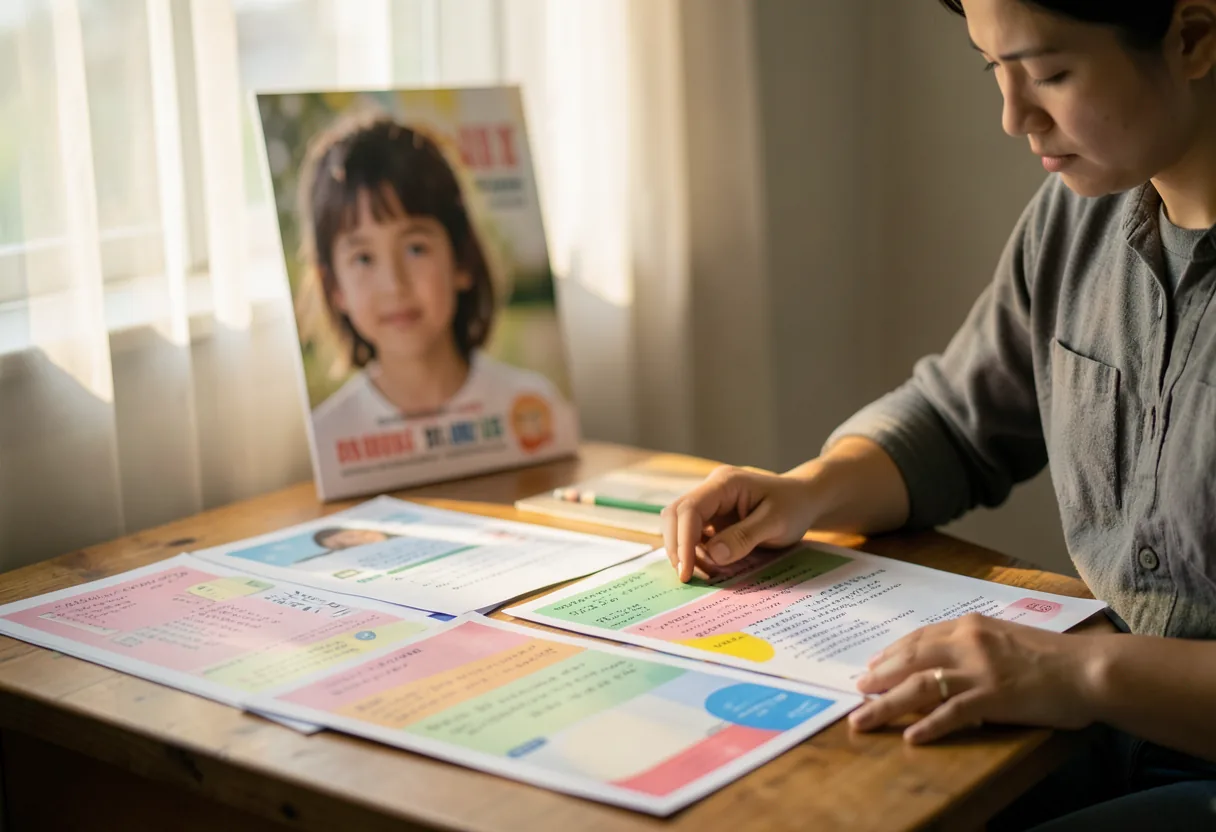
02Key components of effective lesson planning templates for secondary school teachers
An effective lesson planning template should include several key components to ensure comprehensive planning. These components typically include learning objectives, materials needed, instructional strategies, activities, and assessments. For example, a language arts template might include a section for reading comprehension exercises, writing prompts, and group discussions. The Lamego Educational Community’s templates often include a section for differentiated instruction, allowing teachers to tailor lessons to meet the diverse needs of their students.
The learning objectives section is crucial as it outlines what students are expected to achieve by the end of the lesson. This section should be specific and measurable, using action verbs that clearly define the expected outcomes. For instance, an objective might state, “Students will be able to identify and analyze the themes in a short story.” This clarity helps both teachers and students understand the purpose of the lesson.
The materials section lists all the resources needed for the lesson, including textbooks, handouts, and multimedia tools. This ensures that teachers are prepared and can anticipate any potential issues. For example, a math template might include a list of manipulatives like graph paper or calculators, ensuring that students have the tools they need to engage with the material effectively.
03How to customize lesson planning templates for secondary school teachers
Customizing lesson planning templates allows teachers to adapt them to their specific teaching style and the unique needs of their students. For example, a teacher might add a section for technology integration, incorporating digital tools like interactive whiteboards or educational apps. The Lamego Educational Community offers customizable templates that can be easily modified to include additional sections or adjust existing ones.
Teachers can also personalize templates by adding their own notes or reflections. This helps in tracking what works and what doesn’t, allowing for continuous improvement. For instance, a teacher might add a section for student feedback, where they can note any challenges or successes observed during the lesson. This reflective practice is essential for professional growth and improving teaching effectiveness.
Additionally, teachers can collaborate with their colleagues to create shared templates that reflect the collective wisdom of the teaching team. This collaborative approach ensures that the templates are comprehensive and aligned with the school’s educational goals. For example, a group of science teachers might work together to create a template that includes sections for lab safety, experimental procedures, and data analysis, ensuring a consistent and thorough approach to science education.
04Best practices for using lesson planning templates for secondary school teachers
One of the best practices for using lesson planning templates is to plan ahead. Teachers should aim to complete their lesson plans well in advance to allow for any necessary adjustments or preparations. This proactive approach ensures that teachers are not overwhelmed and can focus on delivering high-quality instruction. For example, a teacher might plan their lessons for the entire week on Sunday evening, allowing them to gather all necessary materials and prepare any handouts or presentations.
Another best practice is to regularly review and update lesson plans. Education is a dynamic field, and what works today might not be as effective tomorrow. Teachers should continuously assess the effectiveness of their lesson plans and make adjustments as needed. For instance, a teacher might review their lesson plans at the end of each term, reflecting on what worked well and what could be improved. This ongoing evaluation ensures that lesson plans remain relevant and effective.
Finally, teachers should be flexible and adaptable. While templates provide a structured framework, teachers should be prepared to deviate from the plan if necessary. For example, if students are particularly engaged in a discussion, a teacher might extend that activity even if it means adjusting the rest of the lesson. This flexibility ensures that lessons are responsive to the needs and interests of the students.
05Resources for lesson planning templates for secondary school teachers
The Lamego Educational Community offers a wide range of resources for secondary school teachers, including free and paid lesson planning templates. These templates are designed to meet the unique needs of Brazilian educators and align with national educational standards. For example, their history templates include sections for primary source analysis, helping students develop critical thinking skills. Teachers can access these resources through the Lamego EduArchive platform, which provides a user-friendly interface for downloading and customizing templates.
Additionally, teachers can find a wealth of resources online, including websites like Teachers Pay Teachers and educational blogs. These platforms offer a variety of templates and lesson planning tools that can be adapted to meet the specific needs of secondary school teachers. For example, a teacher might find a template for project-based learning on one of these platforms, allowing them to incorporate hands-on activities and real-world applications into their lessons.
Professional development workshops and courses are also valuable resources for teachers looking to improve their lesson planning skills. These workshops often provide practical tips and strategies for creating effective lesson plans, as well as opportunities to collaborate with other educators. For example, the Lamego Educational Community offers workshops on Essential Classroom Management Strategies for Modern Teachers, providing teachers with the tools they need to create engaging and effective lessons.
06Case study: Implementing lesson planning templates in a Brazilian secondary school
The Escola Secundária de Lamego in Portugal has successfully implemented lesson planning templates to improve teaching and learning outcomes. The school’s teachers have found that using templates has streamlined their planning process, allowing them to focus more on instruction and less on administrative tasks. For example, the school’s science department has seen a significant increase in student engagement and achievement since adopting the Lamego Educational Community’s science templates. These templates include sections for hands-on experiments and data analysis, which have been particularly effective in engaging students and promoting deeper learning.
The school has also seen improvements in collaboration among teachers. By using the same templates, teachers are able to share lessons and strategies more easily, fostering a collaborative teaching environment. This collaborative approach has led to the development of shared resources and a more cohesive curriculum. For example, the school’s language arts department has created a shared template that includes sections for reading comprehension, writing prompts, and group discussions, ensuring a consistent and comprehensive approach to language arts instruction.
Overall, the implementation of lesson planning templates has had a positive impact on teaching and learning at the Escola Secundária de Lamego. The templates have provided a structured framework for planning, promoting consistency and collaboration among teachers. This has led to improved student engagement and achievement, as well as a more supportive and collaborative teaching environment. The success of the Lamego Educational Community’s templates at this school is a testament to their effectiveness and the value they bring to secondary school teachers.
The first time I really looked at the Lamego Educational Community’s templates, I was struck by how comprehensive and well-organized they were. The attention to detail and the alignment with national educational standards made them an invaluable resource for any secondary school teacher. I particularly appreciated the inclusion of sections for differentiated instruction and technology integration, which are essential for meeting the diverse needs of today’s students.
For secondary school teachers looking to improve their lesson planning, the Lamego Educational Community’s templates are an excellent starting point. By providing a structured framework and a wealth of resources, these templates can help teachers save time, promote consistency, and enhance student learning outcomes. Whether you are a new teacher just starting out or an experienced educator looking to refine your practice, the Lamego Educational Community’s templates offer a valuable tool for creating effective and engaging lessons.
- Identify your learning objectives and ensure they are specific and measurable.
- List all the materials you will need for the lesson, including textbooks, handouts, and multimedia tools.
- Choose instructional strategies that are engaging and aligned with your objectives.
- Plan activities that promote active learning and student participation.
- Include assessments to measure student understanding and achievement.
- Customize your template to meet the unique needs of your students and your teaching style.
- Plan ahead and complete your lesson plans well in advance.
- Regularly review and update your lesson plans to ensure they remain relevant and effective.
- Be flexible and adaptable, willing to deviate from the plan if necessary.
- Utilize resources like the Lamego EduArchive platform, Teachers Pay Teachers, and professional development workshops.
Invest time in crafting well-structured, detailed lesson plans using templates designed for secondary school teachers. This investment will pay off in more organized, engaging lessons that drive better student outcomes.
07Frequently asked questions
What are the key components of an effective lesson planning template?
A solid template includes clear objectives aligned with Common Core standards, a warm-up activity to engage students, direct instruction with specific examples, guided practice, independent practice, and a formative assessment like an exit ticket. For instance, a 9th-grade English teacher might use a template that incorporates a short text analysis followed by a Socratic seminar.
How can I differentiate instruction using lesson planning templates?
Incorporate tiered assignments or learning menus. For example, a science teacher planning a lesson on photosynthesis might offer three levels of complexity in lab reports, allowing students to choose based on their understanding. Templates should also include space for accommodations, like providing sentence starters for struggling writers.
Why is it important to include real-world connections in lesson plans?
Real-world connections make content relevant. A history teacher planning a lesson on the Civil Rights Movement might include a discussion on current social justice issues. Templates should have a dedicated section for these connections, ensuring educators don’t overlook this critical aspect.
How often should I update my lesson planning templates?
Review templates annually to align with new standards or educational trends. For example, after the 2016 adoption of new state math standards, many teachers revised their templates to include more problem-based learning activities. Also, update templates when introducing new technologies, like digital whiteboards, to keep lessons engaging.